Thursday, 10 October 2013

The British Film Industry -

British Film Institutions -


British Academy of Film and Television -

The British Academy of Film and Television, most commonly referred to as 'BAFTA' is an independent charity that supports, develops and promotes the art forms of the moving image - film, television and games.


British Board of Films Classification -

The British Board of Films Classification, most commonly known as BBFC, is an independent, non-governmental  body which classifies and censors films and video as well as computer and console-based games released in the UK.


BBFC Logo.svg


British Film Institute -

The British Film Institute is the official UK agency for international and cultural relations. Its film department promotes new British films internationally through festivals and showcases.


British Council -

The British Council is or was a government backed leading agency for films in the UK. Its job was to ensure that the economic, cultural and educational aspects of film were effectively represented at home as well as abroad.


UK Film Council -

The UK Film Council promotes understanding and appreciation of Britain's rich film and television heritage and culture.


The Main British Production Companies -

The main or most noticeable and well known British production companies are:

- Film 4
- Working Title Films
- BBC Film Network
- Momentum Pictures

All of the production companies listed above have produced many different pieces of film or TV Drama's. 

Film 4 -

Film 4 is a digital television channel available in the United Kingdom and Ireland, owned and operated by Channel Four Television Corporation, that screens films. Film 4 has produced highly popular films including The Inbetweener's Movie, This Is England, The Iron Lady and 127 Hours.

Working Title Films -

Working Title Films is a British film production company, based in London owned by Universal Studios. The company was founded in 1983 and produces feature films and several television productions.
Working Title Films have produced highly successful films such as Billy Elliot , Bridget Jones' Diary, Hot Fuzz and Paul.


BBC Film Network -

BBC Films is the feature film-making arm of the BBC. It has produced or co-produced some of the most successful British films of recent years, including Alan Partridge: Alpha Papa. The BBC Film Network co-produces around eight films a year, working in partnership with major international and UK distributors.


Momentum Pictures -

Momentum Pictures (also known as Momentum) is one of the leading independent motion picture distributors in the UK and Ireland and releases approximately 20 theatrical films a year, with several DTV releases. The company has released films such as Limitless, The Kings Speech, The Season Of The Witch and The Woman In Black.


Who dominates the UK Film Industry ?

Although they are all very successful companies, only two stand out. Working title films and Momentum pictures have produced some 'corkers' over the last 10 years. Both have collaborated with bigger companies or companies which they are owned by such as Universal Studio's, but both remain at the top of the British Film Industry.
However, Working Titles appears to be the more successful or popular with not only British audiences, but worldwide ones, as it has produced the likes of Notting Hill and Bridget Jones and remains the best British production company of its generation, ranking as one of the world’s (not just the UK’s) leading producers. The company is backed by Universal Pictures through to 2015 thanks to a new first look deal which funds its projects.

Working Title Films are trusted by Universal to deliver films which match a British sensibility with Hollywood production values. Working Title has made nearly 100 feature films since 1983 that have grossed over $5 billion at the box office, within that time they have seen their films pick up a whopping six Oscars and 30 Bafta awards.


How to qualify as a 'British Film' -

To qualify as a British Film the project HAS to include 3 of the following 6:

- A British Director
- A British Producer
- A predominantly British cast
- A British Production Company
- A subject matter that informs the audience on the British experience
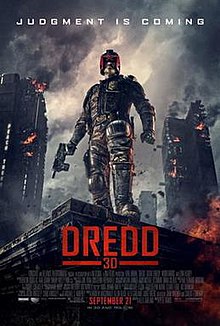


A futuristic police officer in armour and a helmet that covers all but his mouth stands on the corner of a building roof with a gun in his hand as large tower blocks burn behind him. Above the man reads a tagline "Judgment is Coming".Does DREDD Qualify As A British Film? 

DREDD does in fact qualify as a British film, the reasons for this are clear. First of all, the film was written, produced and directed by Englishmen, Pete Travis (director) and Alex Garland (producer and writer) these two men are in fact are both from the south of England. DREDD was also produced at the London based production company 'DNA Films.' The distribution of DREDD took place at 'Entertainment Film Distributors' which is located in London as well as Lions Gate Entertainment in California.
Therefore the movie itself qualifies as a British made film as it uses 4 out of the possible 6 points needed to be branded as a British Film.


How do British Films Attract Audiences?

For a British film producer this is always the first question that needs to be asked. Once a possible idea is in place, the producer needs a clear idea on what style of film he/she is going to make, whether it be comedy, action-thriller, Sci-fi or historical etc. They also need to decide what type of market they are aiming their film at - whether it be UK based or Global.
For a successful UK film, many producer's would most likely go down the road of comedy, as us Brits love a laugh! They may also get a well known actor or comedian on board in order to make the film noticeable and stand out. However, this style of film will most probably appeal to only a British audience and may not be very popular on the Global level e.g. 'The Wedding Video,' this film is a 2012 British comedy which was only released in Britain and features well known presenters/comedians Rufus Hound and Robert Webb, although the film was fairly successful in Britain, it would have failed miserably if it had been released to the global market, as people outside of the UK may not, for instance, understand the humour or even know who either of the 2 main characters are.
However, the producer may choose to make a more sophisticated style of film and intertwine comedy into it to show the British style of life e.g. Bridget Jones' Diary. This may appeal to both British and Global audiences as it is a film which portrays what British life is all about, which is what the Global market are looking for in a British film. It may also be successful if it does not feature an actor or comedian only Brits would recognise or find amusing, therefore it may appeal to a larger audience and be more successful.
The producer may also be enticed by the idea of a historical British film, as UK and Global audiences are always fascinated about the nations famous history. To make a historical film noticeable on the worldwide market, the producer would have to get a 'big name' actor on board.


How are British films distinctive compared to American blockbusters? 

It is a well known fact that most if not all British films have a lower budget than American blockbusters. This may sound like a bad thing, but many a critic may have a different argument. A lot of critics believe that British films are often better productions because of the meaning, story line and humour that appear within the films. Although American blockbusters may have these components, they may not need to use or emphasise them as much as British films because they have a substantial amount of money to spend on things such as special effects and A list actors. British films do not tend to have these luxuries and so producers and directors involved with British films need to make the story line and overall meaning of the film stand out to the audience in order to replace the lack of special effects or/and A list actors. A lot of the time this has a positive affect on the audience, as in many cases, the audience would rather have experienced a hidden meaning or a story which makes them think, rather than watching two hours of endless explosions and fighting etc.


Audience Types -

Mainstream -
This audience type is most likely to watch only 'Hollywood' style blockbusters.

Mainstream Plus -
This audience type generally only watches mainstream 'Hollywood' style films, but occasionally venture out into the world of film and watch something less mainstream.

Aficionados -
This audience type tends to watch a mixture of different films. These include major foreign language titles and can be encouraged to become even more adventurous in their viewing choice.

Film Buffs -
This audience type prefers films which include a more extreme, violent and has a challenging subject or story line.


Which Audience type would want to view DREDD? 

DREDD is a film which has the potential to be categorised into three of the four categories above. Firstly, the film was released on the global scale and so qualifies as a mainstream film, as audiences all over the world were able to view it in cinema's. However,the film was not as successful as many people had hoped and so lost it's 'Mainstream' title, as audiences lost interest very quickly.The film is also violent, has mature themes, such as drug taking, and is very different and somewhat unique compared to other 'sci-fi' or futuristic films which have recently been released, therefore it may also qualify as both a 'Mainstream Plus' - as it is a film different from the average 'Mainstream film.' DREDD could also be placed into the 'Film Buffs' category because of the violence and mature 'non mainstream' themes such as drug usage etc.

A 'gory' scene from DREDD


Box Office Figures And The British Film Industry -

Statistics clearly show that British films are less popular when it comes to the Box office. Purely British films (films which have not collaborated with major US film companies) make a substantial amount less than US films. Not only do they make less money, but they are shown in a lower number of cinema's, are only shown for a short amount of time e.g. 1-2 weeks and therefore make a lower overall gross profit. However, for British films which have collaborated with film companies from abroad e.g. DREDD, the story is very different. DREDD was shown in 415 cinema's on the weekend of it's release and therefore has made an overall total profit of £1,049,345, a vast amount more than a purely British film.

This comparison suggests that audiences are influenced by a number of different factors, these include -

- the distributor
- country of origin
- overall gross profit

Film audiences around the globe will most often be attracted to a film if they can recognise either the distributor as well as the country of origin. Audiences will most commonly be attracted to a film which has been distributed by a major distributor e.g. Warner Bros. They may also pick one film over another depending on where the film has originally come from e.g. Audiences may choose to watch an American film over a British film etc.
These facts suggest that the British film industry is nothing but a mere shadow of the US film industry and will never be able to compete on a level playing field. The British Film Industry is powerless when it comes to the box office, as worldwide audiences are simply more attracted to films which include famous names, whether it be the distributor, the actors, or even the director, rather than basic 'simple' productions which rarely include any of these. This of course affects the overall gross profit and often leaves British made films miles behind the American made blockbusters.


DREDD -

DREDD is a 2012 British-South African science fiction action film, which was directed by Pete Travis and written and produced by Alex Garland. The film is based on the 2000 AD comic strip Judge DREDD.
It was announced in December 2008 that a remake of the 1995 film 'Judge Dredd' was scheduled to be released between 2011 and 2012. The production was given the 'green light' in 2010 and filming commenced in Johannesburg later that year.

Distribution -
DREDD was distributed by London based 'Entertainment Film Distributors, as well as Lionsgate entertainment which is based in Canada. DREDD was advertised mainly on viral websites in order to save money and get it noticed by virtually a worldwide audience.

Writing: Story-line and script -
DREDD escaping from an explosion
Garland began writing the script and story line of DREDD in 2006, whilst filing '28 weeks later'  Garland's draft featured one of DREDD'S main enemies, the un-dead Judge Death. He described the story as a "riff on the whole Judge system", but he was unable to carry on with this idea because he believed the audience did not know enough about the character of DREDD or the DREDD comic book stories.
 Garland decided to rewrite the script and claimed that the story needed to be more focused and simple. He instead considered adapting some of the notable Judge DREDD story lines, including 'Democracy'  and 'Origins' , but he decided to avoid these lengthy tales in favour of a shorter, 'day in the life' story about DREDD and his job in  Mega-City One.
When developing the character of DREDD, Garland tried to closely follow the comic-book character, who undergoes only small personality changes over a lengthy period of time. He said: "I didn't think DREDD could have a great epiphany, but there is definitely a change in him over the course of the movie. He makes a very clear statement at the beginning of the film which he then contradicts at the end. That’s about as far as the shift goes."


Budget -
The production of DREDD was given a budget of $45 million. A vast amount of this money was spent on converting special effects into 3-D, as well as the wages of actors and the creation of sets and costumes etc.

DREDD and Judge Anderson during the 'drug bust'

Box Office -
On the weekend of it's release, DREDD failed miserably and earned only $23,153,028 from international markets and $13,414,714 from America, making a total of $36,567,742. In the UK, DREDD grossed £1.05 million ($1.7 million) from 415 cinemas during its opening weekend. This made it the weekend's 'number-one film'. It was also the first film to be restricted to audiences over 18 years of age to do so since Saw 3D in 2010.
In its second weekend, the film placed number five, earning just £769,381. DREDD was mainly shown in 3D in the UK, and 2D screenings were limited as the distributor denied cinemas' requested for 2D versions if the film. The decision was considered to have limited the film's audience where 2D was their preferred option. DREDD earned a total of just $6.9 million in the UK.


Director and Actors -
Karl Urban A.K.A DREDD
DREDD was directed by Salford born Pete Travis, who was confirmed as the director in 2010. To play the part of DREDD both Travis and writer and producer Alex Garland agreed that New Zealander Karl Urban would be perfect for the role. Urban has appeared in many blockbuster films, his first 'big' film appearance came in 2000 when he starred as 'Harry Ballard' in 'The Irrefutable Truth about Demons.' Urban has also featured in all three 'Lord of The Rings', as well as The 'Bourne Supremacy' and 'Star Trek'

To play DREDD'S assistant and 'rookie' cop 'Judge Anderson', Olivia Thirlby was drafted in. The 27 year old New Yorker had not appeared in a blockbuster until DREDD and din't manage to impress, as she was not nominated for any awards after the film was released.
DREDD also starred Lena Headey as 'Ma-Ma' the creator and dealer of the drug 'Slo-Mo' Headey is also another actress who failed to win any awards in her entire career. The fact the film has no big names or 'A list actors' may be another reason why the film didn't make as much overall profit as it expected to. If the film did feature a so called 'A list' star, then audience's across the globe may have been more attracted and tempted to go and watch the film.


Critical Reception -

The film received positive reviews from many critics and it gained a 78% approval rating from 147 critics, with an average rating of 6.5 out of 10 according to the website Rotten Tomatoes, which described the film as "An Action packed film, fueled by bombastic violence and impressive special effects, rooted in self-satire and deadpan humor, DREDD is a rare example of a remake that actually works."
Meta-critic provides a score of 59 out of 100 from 29 critics, which indicates "mixed or average" reviews. Cinema Score polls reported that the average grade moviegoers gave the film was a "B" on a scale of A+ to F.

Reasons for lack of success -

There are many reasons why DREDD was not as successful as first thought. These are:

The original film -
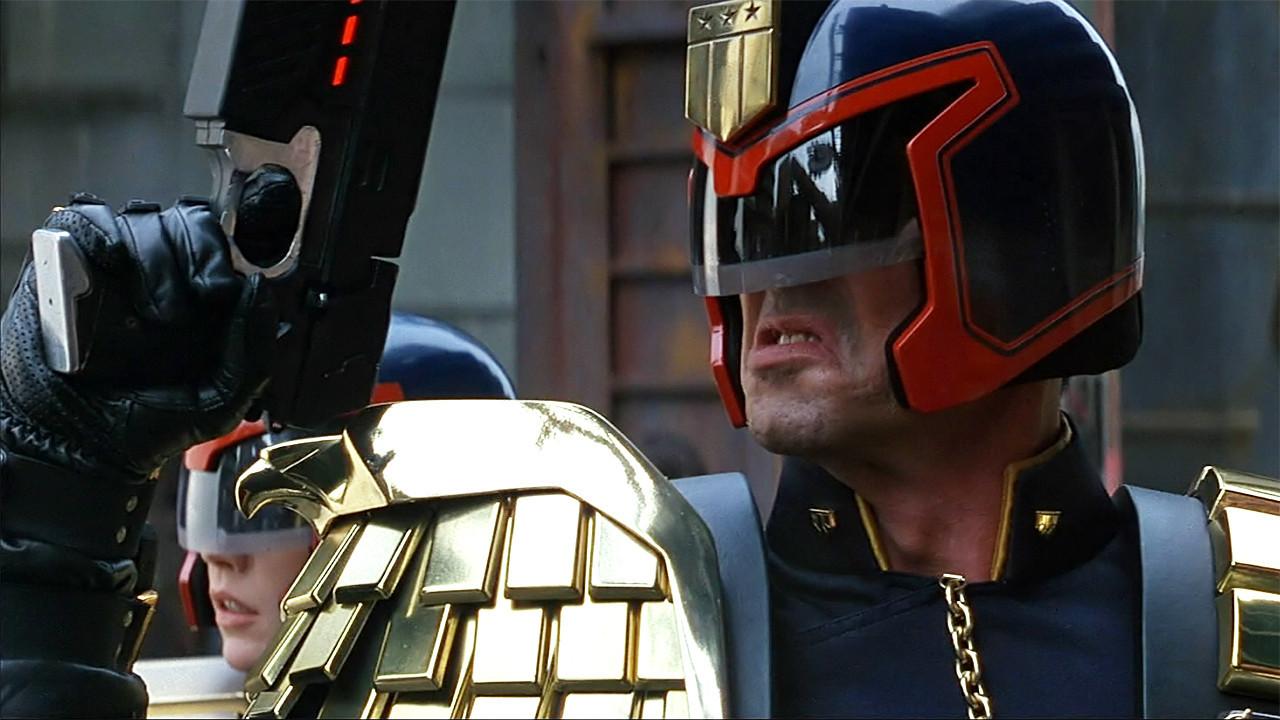
Sylvester Stallone as the original Judge Dredd, 1995.
Judge Dredd' was not a popular or successful film when it was released in 1995, the memories of this awful attempt may of still been lodged in the back of the Audiences minds and may have completely put them off the idea of watching yet another attempt at a Judge Dredd film.

3D -
DREDD was released mainly in 3D, something many film fanatics are not fond of, because of the glasses etc. If the film was released  in 2D with the option of 3D it would most likely have been 10 times more successful and attracted bigger audiences, therefore making a large amount more.

Lack of 'A list' actors -
As mentioned before, DREDD did not include any 'Big Name' or 'A list' actors and so lost the 'wow factor' as well as immediate popularity that films get when they star the likes of Tom Hanks, Tom Cruise, Robert De Niro etc. Big names like these automatically make the audience believe that the film will be worth watching, however as DREDD did not have this, audiences may not have thought of it as 'one to watch.'


Awards -
Although DREDD was given positive ratings by many critics, it did not manage to pick up a single award.


Technology used In DREDD -
DREDD was filmed with 3D and Red X camera's in order to release the film in 3D worldwide. Also, the majority of the film includes the 'Slo-Mo' drug, and so many special effects were needed to create the feeling that time was moving slowly. Also, throughout the film, many gun shot fight/action scenes take place, The 'Slo-Mo' effect is used here to create a fight scene which has never been seen before, the 'Slo-Mo' scene works perfectly at this point in the film, as DREDD manages to shoot a criminal through the side of the face, the 'Slow-Mo' shows the bullet piercing the skin and the blood bursting out, but does it in a way which does not appear gory or disgusting and makes the scenes viewable rather than un-viewable.


My opinion on DREDD -
DREDD. An action packed, realistic, dark view of the future world. I was put into a trance like state as soon as the film began. The film begins with an exhilarating car chase and immediately grabbed my attention. from there on i was gripped and was eager to carry on watching. To me, the special effects used throughout the film were spectacular, as they allowed me to experience how the characters were feeling when they had taken the 'Slo-Mo' drug. Also the 'Slo-Mo' effects allows 'gory' scenes to appear viewable as they appear somwhat elegant. When the 'Slo-Mo' effect is used, it puts the specific scenes onto another level, (especially the gun fight) as i have never seen a fight scene filmed in this way. It was also somewhat calming which added to the excitement and overall atmosphere.
In my opinion DREDD was a fantastic film, however, it could have been even better. I would have liked to see a 'Big name' actor appear in the film, just to give it the 'edge' it needed to go from a good film to a great film. I also believe that it would have been much more successful if it had been filmed mainly in 2D as it is a well known fact the 3D aspect put many people off.


How dominant is the British Film Industry? 

In this modern era, the British Film Industry is nothing more than a mere shadow compared to the likes of the American Film Industry. The main problem for British film makers is of course the lack of money, equipment, big name actors and big name directors. Although some British films have been highly successful, when it comes down to total gross profit, America wins hands down every, single time. Even when 'British' films are highly successful e.g. The Kings Speech, the whole project is mostly funded by America. This may suggest that British films have no place in the film Industry and that us Brits should just give up, but everybody in the Film Industry -including America - know the world would not be the same without British films at the cinema.


Tuesday, 1 October 2013

American Beauty: Mise en Scene Analysis -

I am going to analyse a clip from American Beauty. The clip I have selected features Lester. Prior to this scene, he has just quit his long term job and is on his way to a fast food restaurant and a sense of happiness is in the air -

In the opening of this scene Lester appears to be very excited and seems as if he is once again enjoying life. He is smoking, driving fast and has music blaring out of the stereo.
These actions may be viewed upon as 'childish' by the audience as smoking, driving too fast and listening to music which is too loud are stereotypical of young people or teenagers. This may foreshadow Lester's desire to relive his teenage days, as at that point in his life he had no pressures and was able to have fun and enjoy living. However, the fact he is smoking and driving too fast may be foreshadowing his death as it is a sign of his health deteriorating and a serious risk or danger in his life.

The song which is playing features the lyrics 'american woman, stay away from me.' This may be a sign or symbol of Lester's previous feelings up until this point, as until now, all three American women; Carolyn, Angela and even Jane have been controlling and manipulating his life. The lyrics are significant as they are the exact words Lester has been missing from his vocabulary throughout the film, however, now he is not afraid to say them, but sing them as loudly as possible. This may suggest to the audience that he has regained his inner confidence and that he once again has control o
f his life, and that the women do not.
On the windscreen of Lester's car we see the reflection of the city and the buildings flashing by in front of Lester's face. This may be a symbol or a view of Lester's life, how it is moving very quickly and is ever-changing. Also, the colour of the buildings may be foreshadowing Lester's death, as the first building we see is interesting, light in colour and has many windows. This may represent his current mood or his current happiness, and the windows are to show his new outlook or new views on life. However as that building disappears another one comes into the picture, this one is dark and very plain and may give the audience an insight into what Lester's death is going to be like. As soon as the darker building has reached Lester the scene changes.

In the next scene, we see Lester driving into a car park of a fast food restaurant. The floor is wet, however the sky is clear and the sun is shining brightly. This may be a symbol of Lester's new found confidence once more, as the wet floor suggests it has been raining, however now the weather is clear and bright. This may represent Lester's life as well as his new sense of inner peace. The weather suggest how his life was once dark and miserable, just like a day when the sky is dark and rain is pouring from the clouds, however now it is bright and everything appears beautiful and calm.


Lester then enters a 'drive thru' He is asked by a
woman on the counter if he would like to try a 'meal deal' however he responds by saying 'no' and is adamant he wants a 'big barn burger'. This may symbolise Lester's control of his life, as he is no longer afraid of standing up for himself and is able to get what he wants, also the fact he is not being controlled by a woman may also show his new ability to take charge of his life and will not be manipulated or controlled by a woman ever again. Lester then drives further on to the second window where he is greeted by the same woman with his meal. The woman is stood in the window. the background is dark, and she is wearing a typical fast food restaurant uniform. She stands out to Lester and may be the reason why he applies for a job, as it appears as if she is coming out of the darkness, just like Lester has. Also, the fact her uniform is bright and colourful may represent happiness, something else Lester now feels he has. The Restaurant is called 'Mr.Smiley's' which suggests to the audience how happy Lester really is, as he is prepared to rid himself of his dull, grey, miserable suit, and work in a place that allows him to wear a uniform which is full of colour and happiness, something which will make him stand out for a change.

When Lester has asked about a possible job he says the words 'i'm looking for the least possible amount of responsibility' this once again suggests his desire to relieve his teenage years and suggests he wants to live an easy life, a life of freedom without any worry, even when he is at work.


In the final scene of the clip, Lester is sat with what appears to be the restaurant manager. They are sat at a table and a bright light is hanging down. Lester is sat in darkness and shadows whilst the manager is in the light. The scene is set out to look like a police interrogation table. The lighting and props create a tense slightly nervous mood, as this scene could be 'make or break' for Lester, as he has finally found new confidence and to be rejected again may be to much for him to handle.
The manager is convinced Lester is 'to good' for the job, however, Lester desperately attempts to persuade the manager to give him the job. This may connote Lester's desperation to leave his old life behind, as he feels as if he is ready to step out of the shadows and into the light, therefore he is ready to leave behind his dark past and step into his bright future.
The clip ends with the manager sighing, which may suggest that he has given in, as Lester's confidence and new up beat personality has persuaded him that he is the right man for the job.


Below is the clip i have analysed, watch it for yourself and see if you agree with the points i have discussed -


Monday, 30 September 2013

Harry Potter and The Deathly Hallows Part 2 and how it made it's money -

See link below -
https://soundcloud.com/leatherland/harry-potter-and-the-deathly

The Raid:Redemption -

'The Raid:Redemption' is a 2011 Indonesian martial arts film which was written and directed by Gareth Evans and stars Indonesian actor Iko Uswais. The story is of a S.W.A.T. team, who become trapped in a tenement run by a ruthless mobster and his army of killers and thugs.

Budget -
File:The Raid Redemption.jpgThe film had a low budget of only $1.1 million.

Box Office -
The film made $4,105,187 in the USA and $15 million globally.

Release Date -
This film had three different release dates. The first time it was released was in September 2011 at the Toronto National Film Festival. It was then released in January 2012 at the Sun-dance Film Festival  in Utah. The film was then released for the third and final time in March 2012, where it appeared in cinema's in both the USA and In Indonesia.

Critical Reception -
Reviews have been highly positive; based on 104 reviews collected by Rotten Tomatoes, the film holds a 84% fresh rating, and an average score of 7.6/10. The website reported the critical consensus as "No frills and all thrills," and labelled the film as an "inventive action film expertly paced and edited for maximum entertainment"  However, US critic Roger Ebert gave the film a single star out of four; he criticised the lack of character depth, and stated that "the Welsh director, Gareth Evans, knows there's a fan-boy audience for his formula, in which special effects amp up the mayhem in senseless carnage"


Friday, 27 September 2013

Comic Book Superheroes -

Batman -

History -

Batman is a fictional comic book character created by Bill Finger and Bob Kane.The character was first introduced into the comic book world in 1939.

Publisher -
Since it was started, the character has appeared in DC comic books.


Films -

Batman is THE most popular superhero and has appeared in many different films. The character made his debut on the big screen in 1966 when Adam West (the first ever batman) took to the stage. After a long wait, a new version of batman was released. 1989 was the year when Director Tim Burton decided to put his own spin on the character. Michael Keaton played the role of the caped crusader for Burton's second Batman film which was released in 1992. 3 Years later, in 1995 a different director and a different Batman took the role. Joel Schumacher directed the film which saw Val Kilmer make his first and last batman appearance. In 1997 Schumacher directed his second film, this time getting George Clooney to wear the famous suit. This was the last Batman film for a whopping 8 years. However, in 2005 Batman was to be re-branded as the dark, viscous character he was supposed to be. 2005 was the year that Batman officially became 'cool' again, thanks to Christopher Nolan and Christian Bale.  'Batman Begins' was Bales first film, which told the story of how the famous character came into being and featured a villain never seen before in a batman film, the notorious Ra's Al-Ghul. 3 years later, in 2008 Nolan and Bale were back for a sequel as their first film together had sparked huge success. 'The Dark Knight' featured Batman's number 1 enemy, the Joker. 4 Years later and Nolan's and Bale's time in Gotham was up. After 2 hugely successful films they released their final part of the trilogy. in 2012 'The Dark Knight Rises' was released to cinema's, this film featured the likes of Bane and Cat-woman. There are plans to make even more Batman films, the next time we see the character back on the big screen will be in 2015, where we will see Superman and Batman team up in the sequel 'Man of Steel 2' It has been confirmed Ben Affleck will play the role and the film will be directed by Zach Snyder. It has also been rumored that Batman will feature in the 2016 film 'Justice league' which may also be directed by Snyder.

Other Media -
As Batman is the most successful Comic book character/superhero ever created, the character has featured in many different aspects of media, including cartoon and television series. The character has also been marketed into things such as action figures, t-shirts, board games, video games, posters,mugs, pillows and even duvets.


Iron Man -

History -

Iron Man is a fictional superhero who first appeared in Marvel comic books in 1963. Created by Stan Lee and Larry Lieber, Iron Mans first comic book appearance was an episode called 'Tales of Suspense' and was marvels 39th edition.

Publisher -
Marvel Comic Books.

Films -
The first Iron Man film to be released was in 2008, when A-list star Robert Downey Jr. took the role. Directed by John Favreau, the film was highly successful and made the character one of the most well known, most popular comic book hero's in today's society. This success led to a sequel in 2010, where both Favreau and Downey Jr returned. This film was highly successful and made approximately $623.9m. in 2012, Downey Jr featured in Josh Whedon's 'Avengers Assemble' where he once again played iron man. 1 year later and the third installment of the iron man film series was released. The third in the trilogy was released in spring 2013. This film did not feature the directions of John Favreau but Shane Black, who made his iron man directing debut. This film was even more successful than the first 2 films and made $1,214,713,994.

Other Media -
Like most well known superhero's, iron man has featured a lot in other forms of media. The most recognizable items would be action figures, comic books, cartoon series and even children's dressing up costumes.


Captain America -

History -
Captain America is a fictional comic book character who was created by Joe Simon and Jack Kirby. The character made his first comic book appearance in 'captain america comics' #1 which were published by marvel. Edition #1 was released in March 1941.

Publisher -
Marvel Comics

Films -
The first time Captain America burst onto the television screen was in the year of 1979. The  television film was directed by Rob Holcome and featured Reb Brown, the first man to wear the famous red, white and blue costume. This was followed by a sequel which was released later in the same year, however this was directed by one Ivan Nagy, and was substantially shorter than the prequel. That was to be the end of Captain America, until director Albert Pyun took charge of the character in 1990, when Captain America played by Matt Salinger made his first cinema appearance. 21 years later, Captain America was back. 'The first avenger' was released to cinema's in July 2011. Directed by Joe Johnston, and starring Chris Evans as the captain himself, this was the most successful Captain America film to date, making a total of $368,608,363.

Other Media -
Captain America has also featured in comic books and cartoon series, as well as making an appearance at Disney world Florida. Action figures and Children's costumes have also been made in the style of Captain America, as well as T-shirts and other fans memorabilia such as mugs, pillows and furniture etc.


The Flash -

History -
The Flash is a name shared by several comic book superheroes. Created by Gardner Fox and Harry Lampert, Flash first appeared in DC comic books in January 1940. 

Publisher -
DC Comics 

Films -
The Flash has not yet featured in a blockbuster film, which is unlike any other superhero. However, according to various websites and articles, The flash will appear in a movie which is rumored to be released to cinema's in 2016. 


Other Media -
Although the character has never appeared on the big screen, the idea was put onto television in 1990. 'The Flash' was a live action Television series which appeared on CBS and starred John Wesley Shipp as the flash as well as Amanda Pays. This series did not prove to be popular with audiences in America and so only lasted until 1991.  A version of the flash also appeared on the US show 'Smallville' although the character only made two appearances, the first in 2004, the second 2006.
It was announced on 30 July 2013 that American TV channel 'The CW' would be creating a TV series titled 'FLASH' and will feature American actor Grant Gustin as the flash himself. 
As The Flash is not one of the most well known superheroes, his image is not that popular with the buying public and so material objects such as T-shirts, mugs and other commercial products do not exist with the image of the flash. 


Green Lantern -

History -
Green lantern is the name of several superheroes from DC Comics.  The first green lantern, Alan Scott, was created by writer Bill Finger as well as artist Martin Nodell. The character first appeared in 'All-American Comics #16' in July 1940. 

Publisher -
DC Comics 

Films -
In June 2011, the green lantern made his first appearance on the cinema's big screen. Ryan Reynold's played the part of Hal Jordan who then becomes the green lantern. The film was directed by Martin Campbell, who famously directed 'Casino Royale' in 2006 as well as 'The Mask of Zorro' in 1998. However, the film did not prove to be as popular as first thought as it only made $219,851,172, which is just a mere total profit of $19,851,172. It also only received an average rating of 4.6 out of 10.

Other Media -
The green lantern has appeared in many different types of media since it was created in 1940, these include television animation series such as 'Justice League' and 'Super-friends' The Green lantern has also featured in many different video games including 'Justice League Heroes' and 'Batman The Brave And The Bold'


Thor -

History -
Thor is a fictional character, a superhero that appears in comic books published by Marvel Comics. The character first appeared in Journey into Mystery #83 (Aug. 1962) and was created by Stan Lee, Larry Lieber and Jack Kirby.

Publisher -
Marvel Comics

Films -
The only Thor film to ever be released as a blockbuster starred Chris Hemsworth as the main role and was directed by Kenneth Branagh. The film 'THOR' was released to cinemas in spring 2011. The film was given a good reception and made $449,326,618. It also got Hemsworth the role of Thor again a year later, when the character featured in the 2012 movie 'Avengers Assemble.' A sequel to the 2011 film 'THOR' is scheduled to be released in October 2013 and will again see Hemsworth return to the role, it is rumored the film will be titled 'THOR: THE DARK WORLD' Thor will once again feature in the sequel to 'Avengers Assemble' as well. The second Avengers film is scheduled to be released in March 2015.


Other Media - 
The character of Thor has featured in many different aspects of media over the years, these include animated series as well as Film TV series 'The Incredible Hulk Returns' The role of Thor was given to American actor Eric Kramer. Thor has also appeared in many different superhero video games such as 'Marvel Superhero Squad' and 'Marvel Alliance 1 and 2'

Monday, 16 September 2013

Connotations and Denotations -

Apple -

Denotation -
A fruit which grows on tree's and is usually red and/or green in colour.

Connotation -
To the younger generation of people, the word 'apple', or the slick silver symbol connotes one thing and one thing only, technology. The brand has created many new and exciting modern pieces which the younger generation uses everyday e.g. the Iphone, the Ipad, the Ipod and the mac-book pro. However, this is not the case for everyone, as e.g. the older generation may not associate the word 'apple' with technology at all, as (stereo-typically) they do not use any of the items the brand has created, therefore they may still connote the word with the actual meaning. Another example would be people who live in quieter areas such as the countryside, as they are less likely to see the image of the apple or it's products advertised as often as people who live in more built up, urban areas, such as towns and cities, therefore their connotation of the word may be different again.


Citroen -

Denotation -
A major French car manufacturer.

Connotation -
The word 'Citroen' may mean different things to different people. To the older generation (people who are able to drive) 'Citroen' may mean something purely unique to them. Imagine that a driver had bought a Citroen, and it was the best car they had ever had e.g. cheap to run, comfortable, no problems etc. their connotation of 'Citroen' may be 'reliable' or 'comfort' However, the word may mean something completely different to a driver who may have had a bad experience of a Citroen e.g. uncomfortable, unreliable, not stylish.Their connotation would most likely be 'awful' 'basic' 'appalling' etc. The word may also have a different meaning to very young people, like children, who do not have an interest or understanding in cars. They may not even know what the word means or what it is associated to, but may recognise the symbol if e.g. their parents have a Citroen. To people from a wealthy background who have large amounts of money, they may connote Citroen with the words "bog standard" and "cheap" as they are most likely used to driving more high quality, up-market, stylish cars such as Porches and Ferrari's etc.


Male -

Denotation -
The sex that produces small, typically motile gametes, with which a female may be fertilized

Connotation -
The word 'male' may mean different things to different people, although unlike other words, it does not have a hidden meaning, as everybody on the planet can recognise a male as a male, and a female as a female. However although everybody can tell who is a male and who is not, the word has specific, personal meanings to different people, for example, to an existing parent, the word may mean 'son'. However children may connote the word to their father and so to them the word 'male' will most likely be recognised as 'dad' or 'daddy'. To the women of the world, the word is most likely interpreted as 'husband', 'boyfriend' or 'partner'. Males may connote the word with either themselves, 'friends' or 'mates'.

McDonald's -

Denotation -
The worlds largest chain of fast food restaurants.

Connotation -
To the younger children of the world, the name McDonald's or the huge yellow 'M' may be associated with the words 'treat' or 'surprise' as usually parents only take their children to fast food restaurant's once every blue moon, maybe after a cinema trip. Therefore, to young children, the thought of tucking into a delicious batch of chicken nuggets and getting their hands on a brand new Happy Meal toy is extremely exciting. However, all words, names and symbols change depending on the person, so, to an older child e.g. a teenager, the name 'McDonald's' may be recognised as a 'social' meeting place, somewhere to see friends, as well as eat quick and easy food. To someone of the older generation, the name McDonald's may send shivers down their spine as they may connote the word to 'noise' or 'disruption' as they may have had a bad experience of the restaurant.

No Entry -

Denotation -
To keep out of a particular area which may be private or dangerous etc.

Connotation -
To most people this red and white circular sign is very recognisable, as it is used in many places including on the roads and in places people should not enter. Due to it's red colouring it tends to connote 'danger' or 'warning.' However, young children who may not recognise the sign may connote it with the words 'circle' or 'red and white' as this is what catches the eye.


Rolling Stones -

Denotation -
The body opening through which an animal intakes food and water.

Connotation -
To many people this distinctive red and white 'open mouth' is a symbol of classic rock music, as it is the sign of English rock band the Rolling Stones. To people who grew up in this era who listened to their music may connote the symbol with the words 'youth', 'party', 'concerts' or maybe even the era when it was most recognisable - 'the 70's'. However, to people who may not have enjoyed the stones' music, the symbol may be connoted as 'noise' or 'terrible' However, to people who have never heard of the stones or do not take an interest in classic rock music, the sign may just appear to be exactly what it is - a brightly coloured, cartoon style mouth.


Olympic Rings -

Denotation -
A number of sporting events which take place in different countries around the world every 4 years.

Connotation -

To people who follow sport, this symbol is extremely recognisable and will mean one thing, and one thing only, the Olympics. These specific people may see this symbol and think of connotations such as 'sport' 'pride' or 'gold medal' they may also pick out a connotation of their favorite event at the Olympics, such as 'long jump' However, to people who are not interested in sport, they may see this symbol and connote words such as 'circular' or 'colourful' as this is what they see.


Union Jack/Great British Flag -

Denotation -
The national flag of Great Britain 

Connotation -
To people from the UK, this flag may be referred to with powerful connotations such as 'pride','homeland' or 'patriotic'.These words are commonly used when people from that specific country or nation see their flag waving high in the sky, as they are proud of what it means to them. Also, it may give them a feeling of being 'united' as it brings together millions of people from that nation. However, to people from a different country or even continent, it may connote things such as 'elegant' or 'riches' as it may be associated with Buckingham palace, as the union jack flies above it's roof. It may also be connoted as 'bright' or even 'red, white and blue' as these are the colours used within the flag. 


The Star Of David -

Denotation -
The religious symbol for Judaism. 

Connotation -
To the Jewish community, this is a sign of religion and may be connoted with the words 'peace' and 'hope', just as the cross is to Christians. To a Jew, this symbol may also be connoted with words such as 'Synagogue' or 'Bar Mitzvah' as these are some of the main parts of being a Jew. However, it may also be connoted with the words 'death' 'mass murder' and 'holocaust' as this was the sign Jewish people were made to wear during Hitlers Nazi revolution in the second world war. To people who have no association with the religion or any religion at all, the symbol may connote 'star' or 'triangles.'

Sunday, 15 September 2013

The Business - Film Making

Scene 1, the Idea –
Inspiration is all around us. It can be found in newspapers, books, plays, films and even in a normal conversation. Films which are based on real life events such as ‘calendar girls’ show that they can capture the imaginations of audiences. Film makers are always on the lookout for true stories which can be filmed. Ideas for films can also come from adaptations as well as completely new and original ideas. Most adaptations come from successful books and so make successful films, as the book has already generated lots of publicity it can virtually guarantee that the film will make a return on the investment. Many great films can also come from original ideas; these can sometimes be the most valuable in the film business. A moment of inspiration may come from a chance conversation or even a dream. However, protecting these ideas are crucial. Most producers often take out omissions insurance which help cover them if sued for e.g. copyright etc.
The person who makes the idea into reality is the producer. The producer needs to be sure that the idea will be a hit on the big screen and will make money. After they have identified that the idea will sell, they develop the project by getting it made and released. To make the film creative and look good on the big screen a director is needed. The director and producer work together to develop the idea further, if the director is well known, audiences re likely to flock and watch the film. The producer then needs to get a writer on board; the writer defines each idea, the plot and the characters. The producer, director and writer are the 3 most creative in the film business. The writer then writes a treatment, this is a one page description of the main story and the characters of the film.  The idea then has to be pitched to financiers in order to make a script.
Examples -
UK: Harry Potter book series, remade into a film franchise.
US: Batman, originally a comic book character, remade into a number of blockbuster films.


Scene 2, Development Finance –
First, a producer approaches a film production company for the development money. The producer can offer sales and broadcaster rights to the film in return for money, and then they can develop the script further. The producer can also apply for further funding from a UK film council; the film council will usually give the producer a development grant.
Examples –
UK: The Lord of the Rings, British book remade into a film trilogy.
US: Spider-man, a comic book character remade into a number of films. 


Scene 3, Script Development –
The writer creates a synopsis. This includes choosing where or not to include key scenes and events. After this stage, many writers create a step by step outline of the script. The writer pays the delivery of the script to the producer. If the producers are happy with the drafted script which has been produced it is sent to the financiers who may add their own ideas to the script. Once everybody is happy with it, the script is ‘locked off’ and so it becomes ‘unchangeable,’ the writer is then paid. The final stage of the script development is the process of the sales treatment.
Examples –
UK: Skyfall, British made Jams Bond film.
US: Pacific Rim, American sci-fi film. 


Scene 4, Packaging –
The Producer and the director must now package the script into a proposition in reading for budgets and financing. The most popular way to make the project more commercialised is to include well- known actors (A list stars) in the film, then, successful heads of departments carry out deals with financiers. The film must then be broken down appropriately for a business proposition; the producers will want to know the cost of how much the film is. Investors always want to know how the producer plans to raise the money; this will then allow the producer to plan how to pay the investors back. The producer then ‘packages’ the film into a visible proposition. They will now need to find out the views of others.
Examples –
UK: The Hobbit, British film, adaptation of R.J.Tolken’s novel.
US: The avengers, originally a group of comic book characters, remade or adapted into a blockbuster film. 


Scene 5, Financing –
Financiers can be found anywhere on the planet and the producer must travel anywhere to ensure the film has an investment. Private individuals, production companies and public bodies invest in the film, the producer’s lawyer must create contracts to complete the deal. The producer can then raise money by creating ‘pre-sales’ selling the rights to films before I has even been made. Departments of banks that specialise in the film industry can offer loans or invest in the project although most investors insist that completion bond is in place as insurance from the production. Once all the funding is in place the film can get the ‘green light.’
Examples –
UK: Slum-dog Millionaire, British film, directed by Englishman Danny Boyle.
US: E.T, American film, directed by Steven Spielberg. 


Scene 6, Pre Production-
Once all the heads of departments are hired, the shooting script is sent round and pre-production begins. The casting director and producer identifies and casts the actors. Next, storyboards are created, they show where every shot of the film is planned in advance with the director. The production designer plans all aspects of how the film will be set, professionals are then hired to create each part, however, effects shots are planned months before normal shots because they take a longer amount of time to create. The first AD, the line producer and the production manager make up the key logistic triangle of production.
Examples -
UK: Trainspotting.
US: Titanic.


Scene 7, the shoot –
The first day of principle photography is the key moment in production, shooting begins and funding is released. The camera department must ensure that all the footage is shown  so that the director and editor can tell the story properly. Once the hair and make-up has been checked and sound and lighting is in place, shooting can begin. During filming actors must create an atmosphere and draw the audience in. Special effects must be filmed carefully in case of any film injuries, film productions are run precisely if they fall behind schedule financiers and insures step ins.
Examples –
UK: Shaun of the dead, British comedy adaptation of ‘dawn of the dead’
US: Iron man, adaptation of the famous comic book character.


 Scene 8, Post Production –
As the footage begins to take place the editor assembles it into a narrative scene, once the picture is locked and no changes can be made, the sound department works on the audio track and edits the sound. Digital effects are added by effects and titles are added in a composing suite, the final stage of the picture edit is to adjust colour and make the film interesting for the viewers. After the final film is complete it reaches the ‘full lock’ stage, now it is ready for duplication.
Examples –
UK: The Kings Speech
US: Star Wars


Scene 9, Sales –
To ensure that the producer’s film can be sold to distributors, the producer secures a sales agent that specialised in film sales. To help the film sell, a trailer is made, this will show the films target audience a ‘sneak peak’ of the film.  The producer and the sales agent gather together the key details in order to sell the film. The producer must make sure that the film is interesting and unique so it will attract the attention for the product. Screenings at top film festivals can also be a good way to create an atmosphere and allow viewers to see the stars and become attached to the film. If the film gets a good response the producer can negotiate a deal with the distributors around the world.
Examples –
UK: Les Miserables, British film, adaptation of the famous play.
US: The Wolverine, adaptation of the comic book character. 


Scene 10, Marketing –
To help make sure that the film sells to distributors, the producer secures the services of a sales agent who specialises in films. The film is then shown at screenings to see the audience’s response. The audiences are targeted by potters and other films in addition to promoting the film television and radio can help create and positive word of mouth about the film. Digital media enables the audience to discover details about the film and also ensures that the film is marketed well. Distributors will negotiate a deal with the cinemas to screen it.
Examples -
UK: Alien
US: Star Trek, into the darkness. Adaptation of the TV series.


Scene 11, Exhibition –
A premiere is uses to launch the film, covered by the media. Distributors supply exhibitors with prints of the film. The more screens, the more prints are needed. Exhibitors take their share of the box office receipts; distributors’ will recoup their marketing costs, and once they have been paid financiers can recover their investments. Also, hospitality sales can bring in millions of extra revenue. People spend money on DVD’s, cinema tickets as well as television, which brings in additional revenue as the rights are sold separately. Rights to computer games and other product licenses can be other sources of revenue. Once the film has made a profit people can be rewarded. The final stage is unknown, as distribution continues.  
Examples -
UK: Alan partridge, alpha papa. Adaptation of the original TV series.
US: The Lone ranger